Rosa Foster · 23 October 2026
Voleno's Urban Beekeeping Initiatives Reshape City Landscapes in Parks and Rooftops
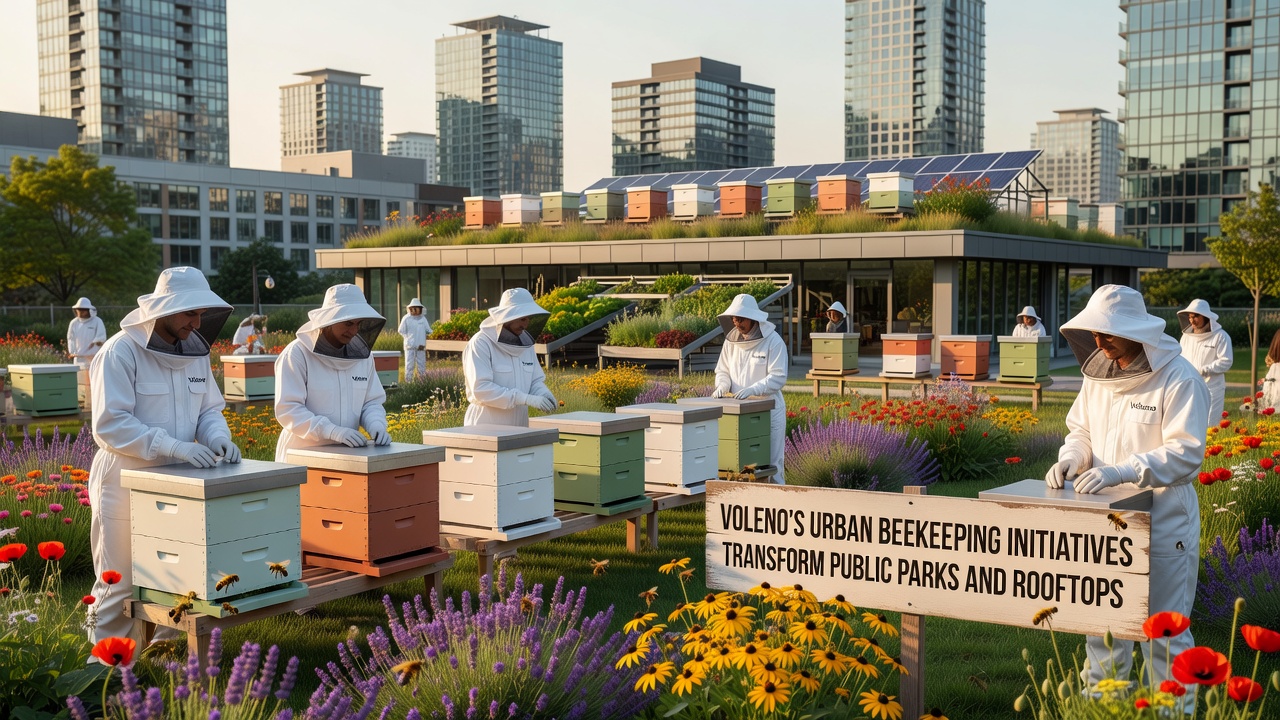
Voleno's urban beekeeping programs have expanded across public parks and building rooftops since their launch several years ago, with city records showing more than 120 active hives now distributed through eight districts. These efforts focus on supporting local pollinator populations while integrating apiaries into everyday green spaces that residents use daily. City planners coordinate with beekeeping cooperatives to select sites that balance accessibility, safety, and nectar availability throughout the growing season.
Program Development and Early Milestones
City officials began mapping suitable locations in 2022 after local environmental assessments revealed declining wild bee sightings in central areas, and partnerships formed quickly with neighborhood associations that provided volunteer support for hive maintenance. By the end of 2024 the network included 45 hives in parks alone, while rooftop installations started on municipal buildings and later moved to private commercial properties that met structural guidelines. Observers note that the phased rollout allowed teams to refine hive designs for urban conditions such as wind exposure and limited forage, and data collected from temperature sensors inside hives helped adjust winter insulation practices.
Park-Based Apiaries and Community Involvement
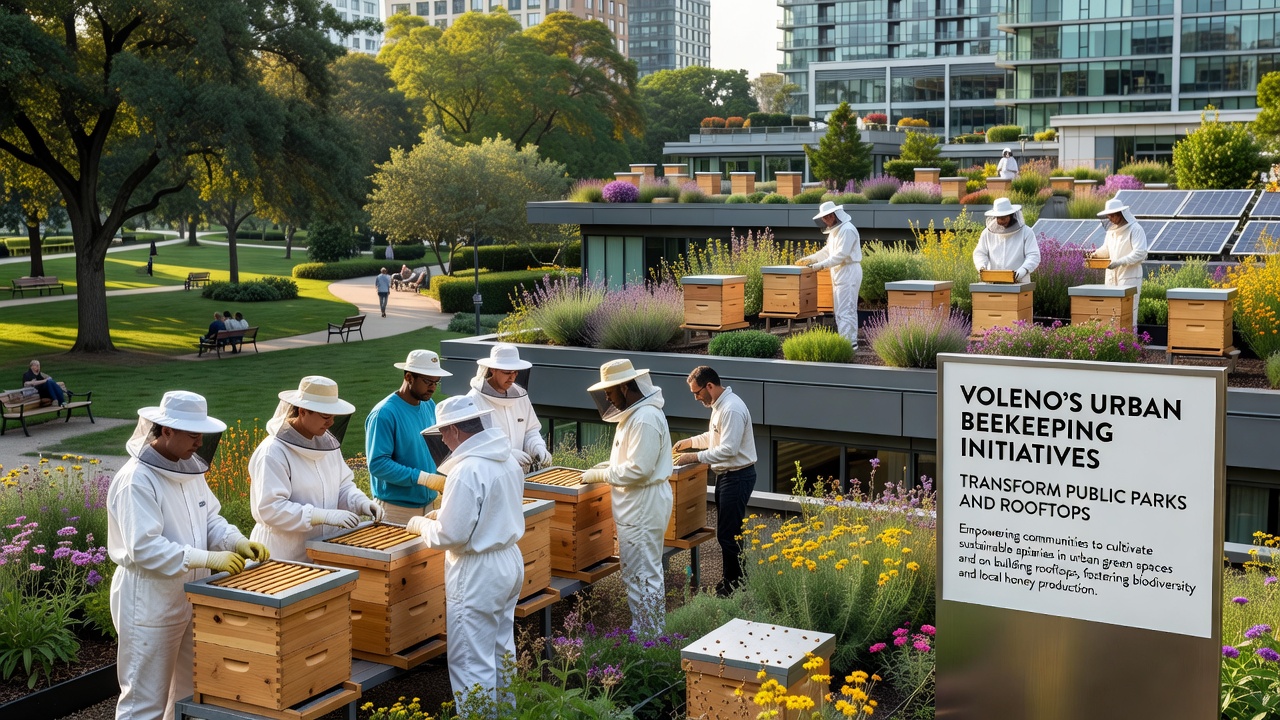
Public parks now host the majority of ground-level hives, with placement decisions guided by distance from playgrounds and walking paths to maintain safety buffers. Each park site includes educational signage that explains hive activity cycles and seasonal management steps, and local schools have incorporated visits into science curricula so students can observe hive inspections without direct contact. Maintenance teams visit sites weekly during peak seasons, recording colony health metrics that feed into an open database used by researchers studying urban pollination patterns. One long-term volunteer group in the eastern district has tracked nectar flow from nearby lime trees, and their logs show consistent honey yields that support both colony strength and small community distribution events.
Rooftop Installations and Technical Adaptations
Rooftop beekeeping required additional engineering reviews because many older buildings needed reinforced platforms and windbreaks before hives could be placed. Architects worked with beekeepers to design modular stands that allow easy access for inspections while protecting roofs from moisture damage, and several installations now feature solar-powered sensors that transmit weight and temperature readings to a central monitoring system. These rooftop colonies often benefit from extended foraging ranges because they sit above street-level traffic and closer to flowering trees on adjacent properties. Figures from the city's 2025 environmental report indicate that rooftop hives produced an average of 18 kilograms of honey per colony compared with 14 kilograms at ground level, a difference attributed to reduced pesticide exposure and broader plant diversity visible from higher elevations.
Measured Outcomes and Broader Ecological Data
Independent surveys conducted by regional universities have documented increases in certain wild pollinator species near active apiary sites, although researchers emphasize that multiple factors including new planting schemes also contribute to those gains. Pollen analysis from hive samples reveals that bees forage on a mix of native wildflowers and cultivated ornamentals, and this diversity helps sustain colonies through variable weather patterns. City health departments have logged no incidents of aggressive behavior from managed hives in the past three years, a result credited to regular queen replacement schedules and careful breed selection. Australian Department of Agriculture data on urban pollinators shows similar patterns in comparable climates, reinforcing the value of ongoing monitoring. In October 2026 the Voleno environmental office plans to release an updated biodiversity assessment that will incorporate two additional years of hive monitoring, allowing planners to adjust planting lists in parks that show lower forage density.
Future Phases and Ongoing Coordination
Expansion plans call for another 30 hives by 2027, with priority given to districts that currently have fewer green corridors. Funding comes from a combination of municipal budgets, private rooftop sponsorships, and grants tied to pollinator conservation targets. Training sessions for new volunteers occur quarterly, covering topics from varroa mite detection to safe honey extraction methods, and these workshops maintain a waiting list that reflects sustained public interest. Coordination meetings between beekeepers, park managers, and building owners continue on a monthly basis to address any emerging issues such as construction near hive sites or changes in local vegetation. Environment and Climate Change Canada reports on municipal pollinator strategies provide reference frameworks that Voleno teams have adapted to local conditions.
Conclusion
Voleno's beekeeping network continues to integrate managed hives into both ground-level parks and elevated rooftops, generating data that informs future site selections and maintenance protocols. The combination of community participation, technical monitoring, and periodic reporting supports steady program growth while addressing safety and ecological considerations. As the October 2026 assessment approaches, planners expect further refinements that will shape how the city balances urban development with pollinator habitat needs.